
Activated Carbon-Widely used adsorbent 9
Product Name: Activated Carbon
CAS: 7440-44-0
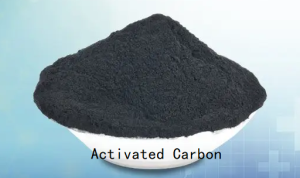
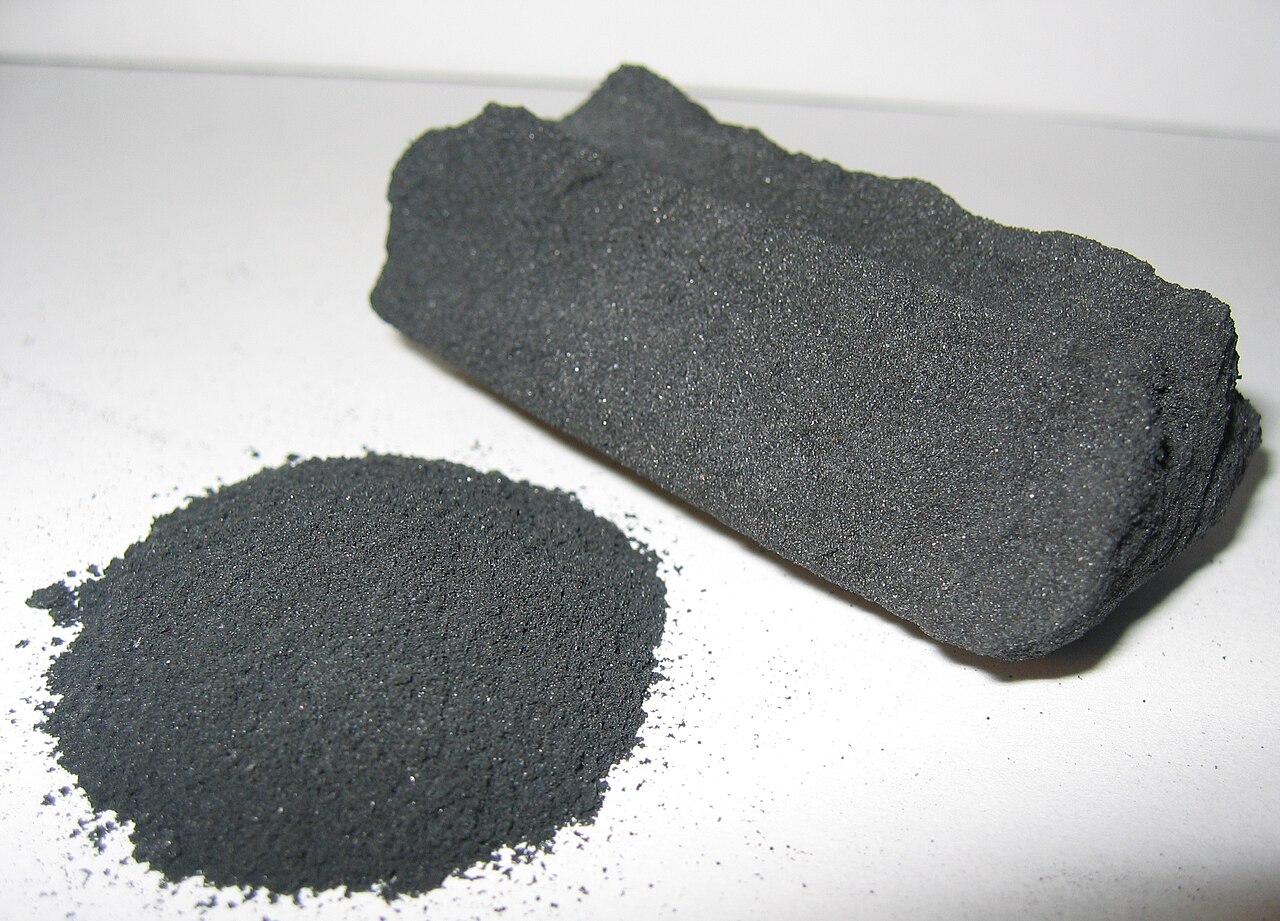
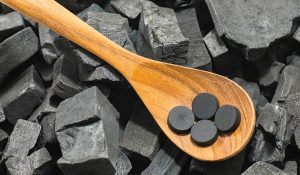
Activated carbon is a specially treated amorphous carbon material that typically appears in powder or granular form.
Activated carbon is a carbonaceous material with strong adsorption capacity. After activation treatment, the number of pores and surface area significantly increase.
It is commonly used in fields such as air purification, water treatment, gas filtration, medicine, and catalysts.
It captures and removes other substances through physical or chemical adsorption, and can also serve as a catalyst or catalyst carrier.
Its performance depends on the raw materials and production process.
Main types
According to raw materials: wood, coal, fruit shell activated carbon, etc.
Fruit shells are commonly used in water treatment due to their excellent wear resistance
By Form: Powdery (Rapid Adsorption), Granular (Commonly Used for Household Use), Fibrous (High Precision Filtration)
The main applications:
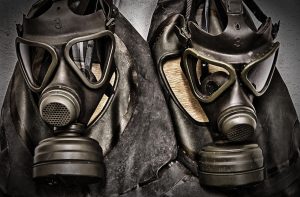
◊ Air Purification: Used for making gas masks, cigarette filters, car exhaust filters, deodorizing masks, and air purifiers to remove harmful gases and odors.
◊ Water treatment: used for purifying tap water, drinking water, pure water, and industrial water, removing odors, colors, organic impurities, and pollutants such as mold, humus, COD, etc. from water.

◊ Industrial applications: Used for solvent recovery, catalyst support (such as precious metal catalysts), and synthesis of substances such as vinyl chloride and vinyl acetate in chemical production.
◊ In the field of medicine, it is used to treat certain poisoning situations, reduce body absorption by adsorbing toxins in the body, and as an auxiliary means of cancer treatment.
√ Drug production and purification
Decolorization refining: used for decolorization of antibiotics (penicillin, gentamicin, etc.), vitamins, alkaloids and other drugs, removing pigments and impurities
Removing heat sources: a critical step in the production of injectable drugs to ensure drug safety
Heavy metal adsorption: Effective removal of metal ions such as iron and lead from drugs through modification treatment
√ Clinical treatment application
Detoxification therapy: used for emergency treatment of drug overdose or toxic poisoning
Blood purification: removing toxins from the blood through blood perfusion technology
Local treatment: external application to treat wounds, inflammation, or for relieving toothache
√ Other medicinal uses
Anesthesia gas recovery: Absorb excess anesthesia drugs during surgery to shorten patient recovery time
Drug testing: Concentrate drug components in urine or blood samples to improve detection sensitivity
◊ Other applications: It can also be used in fields such as food purification and energy storage, and has the value of being renewable and reusable.
Precautions
◊ Adsorption saturation:
The adsorption capacity of activated carbon is limited, and once it reaches saturation, it will lose its adsorption capacity and may even release adsorbed substances.
Therefore, it needs to be replaced or regenerated regularly (such as exposed to sunlight in a ventilated area).
◊ Avoid moisture:
When using and storing, avoid humid environments, otherwise it will affect the adsorption performance.
Market prospects of activated carbon
Driven by demand growth
The global market size of activated carbon is expected to increase from $8.45 billion in 2024 to $16.44 billion in 2029, with a significant compound annual growth rate of 2.
As the largest producer, China’s market size is expected to reach 18.5 billion yuan by 2025, with environmental policies (such as the “dual carbon” target) and emerging pollutant treatment (such as microplastics and PFAS) as the core driving forces
Core application areas
Water treatment: accounting for 40%, used for advanced treatment of industrial wastewater and adsorption of emerging pollutants.
Air purification accounts for 30%, and the demand for residential and commercial buildings continues to grow with increasing pollution.
Medical and food products: accounting for 20%, used for pharmaceutical purification and food decolorization.
Regional and Product Trends
Region: Asia Pacific (especially China) leads production, while Europe and America focus on high value-added products.
Product: Powdered activated carbon is the mainstream due to its economic viability, while modified activated carbon (such as loaded metal oxides) and composite materials (such as graphene composites) have become the direction of technological upgrading.
Technological Upgrade and Competition
Technology: Physical/chemical methods enhance adsorption capacity, but face cost pressure.
Competition: China’s CR4 is only 19.2%, with Yuanli Shares (12% share) leading and low market concentration
PRIME CHEMICALS is experienced in polymers, chemicals and modified plastic materials for more than 23 years. If there is any inquiry, welcome to contact us on Whatsapp: 0086 13817820852.
#Activated Carbon#