


Looking for Acetone-The simplest ketone compouns 2
Product Name: Acetone
CAS: 67-64-1
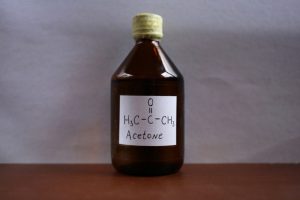
Acetone is a colorless, transparent, and volatile organic solvent mainly used to dissolve substances such as oils, resins, plastics, etc.
It is widely used in industry, laboratories, and daily cleaning fields.
Its functions include dissolution, decontamination, chemical synthesis, etc., but attention should be paid to its flammability and irritability, and direct contact or inhalation of high concentration vapors should be avoided.
Acetone, also known as dimethyl ketone, is an organic compound and the simplest saturated ketone.
At room temperature and pressure, it is a colorless flammable liquid with a mint odor.
1. Organic solvents
Acetone has strong solubility for various organic compounds such as oils, waxes, rubber, resins, etc. It is commonly used for:
◊ Production of coatings, adhesives, and paint thinners;
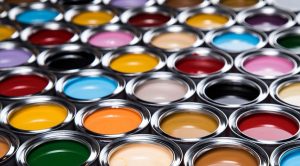
◊ Surface residues of industrial cleaning equipment or tools;
◊ Remove nail polish (some products contain acetone derivatives).

2. Decontamination and cleaning
With its rapid volatilization properties, acetone can be used for:
◊ Remove oil stains or adhesive marks from metal surfaces;
◊ Laboratory glassware degreasing;
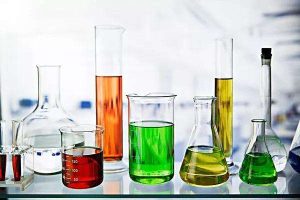
◊ Cleaning treatment before soldering electronic components.
3. Chemical synthesis intermediates
Acetone is an important raw material for the synthesis of methyl methacrylate (organic glass raw material), bisphenol A (plastic raw material), and some drugs, participating in reactions such as condensation and esterification.
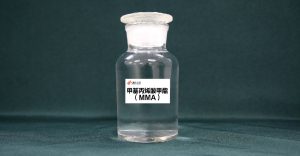
Note:
MMA, abbreviated as MMA in English, is a monomer of polymethyl methacrylate (PMMA), which is also copolymerized with other vinyl monomers to obtain products with different properties.
Mainly used in PMMA, lotion resin, impact modifier and other industries.
Synthetic organic materials
Mainly used in the production of organic glass, Aleck, etc., it can be used for the production of medical protective equipment and automotive parts
Optical materials
Mainly used for LCD display light guide plate
Photovoltaic industry
Mainly used in optical fiber solar photovoltaic cells
4. Laboratory applications
As a mobile phase or extractant in chromatographic analysis;
◊ Used as a refrigerant in low-temperature experiments (mixed with dry ice);
◊ Auxiliary reagents for protein precipitation or DNA extraction.

How to protect acetone?
When dealing with acetone, it is important to ensure good ventilation and avoid using acetone in enclosed spaces, which can easily form flammable vapors and pose certain risks.
It is irritating to the skin and should be avoided from contact with the skin and eyes.
When handling it, appropriate protective equipment should be worn, such as chemical protective gloves, protective goggles, etc.
Do not get close to a fire source, as it is flammable and can burn at a fire source or high temperature.
Appropriate fire extinguishing equipment should be equipped at the place where acetone is handled, in case of emergency.
When storing it, it should be placed in a cool, ventilated place and ensure that the container is sealed.
Avoid getting close to heat sources and do a good job of anti-static treatment to prevent leakage or explosion.
Alternative to acetone
According to application scenarios and performance requirements, acetone substitutes can be classified into the following categories:
1. Universal alternative solvents
Ethyl acetate: boiling point 77.06 ℃, solubility similar to acetone, suitable for the coatings and fragrance industries.
Dichloromethane:
Boiling point 39.8 ℃, strong solubility, suitable for pharmaceutical synthesis and adhesive fields.
Tetrahydrofuran (THF):
Boiling point 66 ℃, good solubility for polymers, used in the synthesis of polymer materials13.
2. Environmental protection and low toxicity
Dimethyl carbonate (DMC):
Boiling point 90.3%, low toxicity, suitable for environmental protection fields such as lithium batteries and fragrances.
Ethanol:
Low toxicity, but slow volatilization, may affect the performance of epoxy resin.
3. Industrial specific substitutes
Methyl isobutyl ketone (MIBK):
Boiling point 117-118 ℃, used in metalworking fluids and cleaning agents.
Dimethylformamide (DMF):
High boiling point (153%), suitable for leather degreasing and synthetic fibers13.
4. Examples of commercial products
ENASOLV 365AZ-T: an environmentally friendly VOC substitute suitable for cleaning agent 4.
Industrial cleaning agents, such as FS-13 series and optical degreaser, can replace acetone for ink and glue removal.
Attention:
When selecting alternatives, toxicity, volatilization rate, flammability, and compatibility with the target material should be comprehensively considered.
It is recommended to conduct small-scale testing first
PRIME CHEMICALS is experienced in polymers, chemicals and modified plastic materials for more than 23 years. If there is any inquiry, welcome to contact us on Whatsapp: 0086 13817820852.
#Acetone#laboratory applications#chemical synthesis intermediates#decontamination and cleaning#organic solvents#MMA#methyl methacrylate#bisphenol A